 TAP TAP GO
 Money in motion
The small reference that connects a QR payment to the right offer
If the supported route asks for information, explain why it is needed before the customer reaches the field.
Understand the questions behind cards, wallets, payment journeys and proposed financial services.
Money in motionIf the supported route asks for information, explain why it is needed before the customer reaches the field.
 Money in motion
Tap Tap Go's financial entry points should remain connected to the current commercial story.
 Money in motion
Tap Tap Go demonstrations benefit from a concise explanation of what the scan does and what it does not confirm.
 Money in motion
Agree what requested, approved, submitted and completed mean so colleagues in different time zones do not act on different assumptions.
 Money in motion
A broken or unavailable route is a customer-experience question, not a reason to improvise a new payment instruction in haste.
 Money in motion
Tap Tap Go's professional presentation and financial destination should tell one coherent commercial story.
 Money in motion
Tap Tap Go's booking and payment routes can work together without assuming that one automatically completes the other.
 Money in motion
Use the actual itinerary to test purchasing, support and reimbursement boundaries before the whole team travels.
 Money in motion
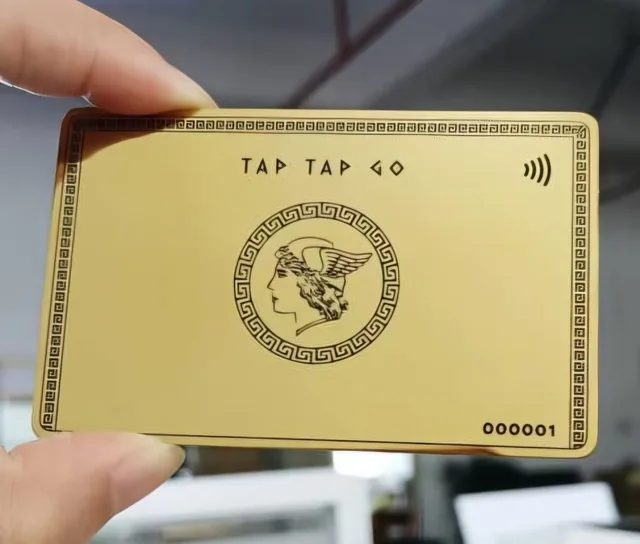
Tap Tap Go can carry an updated offer only when the relevant commercial information and destination remain aligned.
 Money in motion
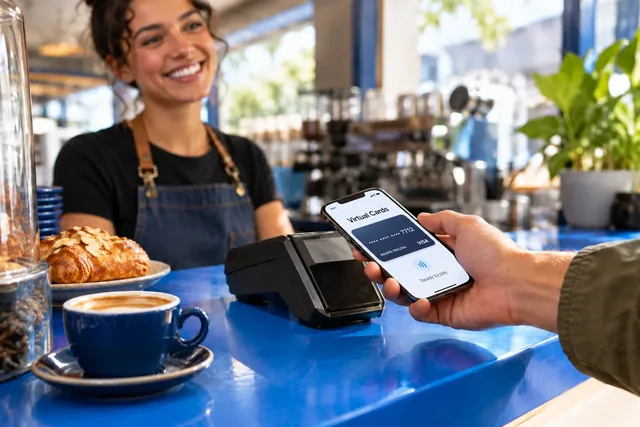
Tap Tap Go's financial handoff should make that relationship clear when a customer purchases on behalf of someone else.
 Money in motion
Tap Tap Go's financial route should preserve the conditions of the offer even when the recipient was not in the original conversation.
 Money in motion
Map buyers, sellers, fees and payouts explicitly, then ask providers which parts of the arrangement they can support.
No matching language.