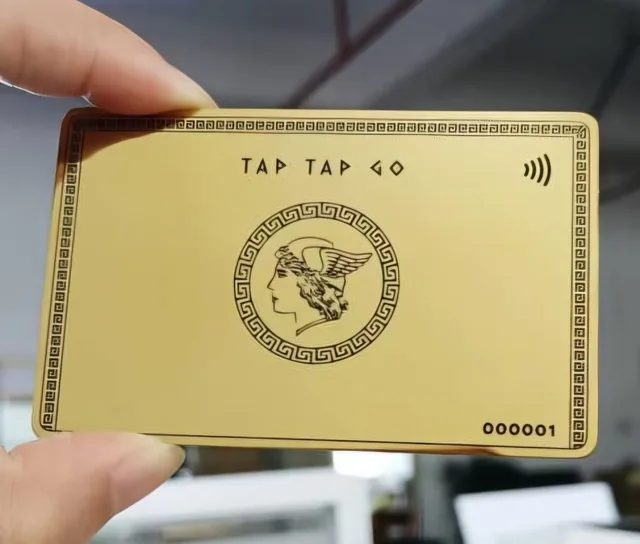
TAP TAP GO

The attractive request outside scope
An AI assistant may help organise a promising-looking lead, but Tap Tap Go’s product model still has defined capabilities and availability boundaries. Before prioritising commercial potential, ask what the person wants and whether the current service can support it. A large organisation or confident introduction does not turn a planned capability into a live one. Keep the distinction between a product enquiry, a future partnership discussion and an unsupported request.
Draft an accurate next step
Give the assistant the approved product scope and ask it to identify questions or mismatches. Review any proposed response for implied availability, integration readiness or commitments. If the request concerns a roadmap item, explain that status and offer only the discussion the team can genuinely have. The user should approve and send the response manually. A clear scope conversation can preserve trust even when the immediate request is not a fit, while overpromising can damage a valuable relationship before it begins.
Hypothetical example
A prospective enterprise asks for a capability that remains part of a future programme. The salesperson uses the assistant to prepare a clear explanation of current scope and questions for a roadmap discussion. They remove wording that would imply the feature is ready for deployment.
Make it practical.
Use this checklist as you read. Checks are not stored.References & further reading
Tap Tap Go Journal: product context and editorial approach ↗Published by Tap Tap Go. Product availability and eligibility vary by programme and market. About our stories.