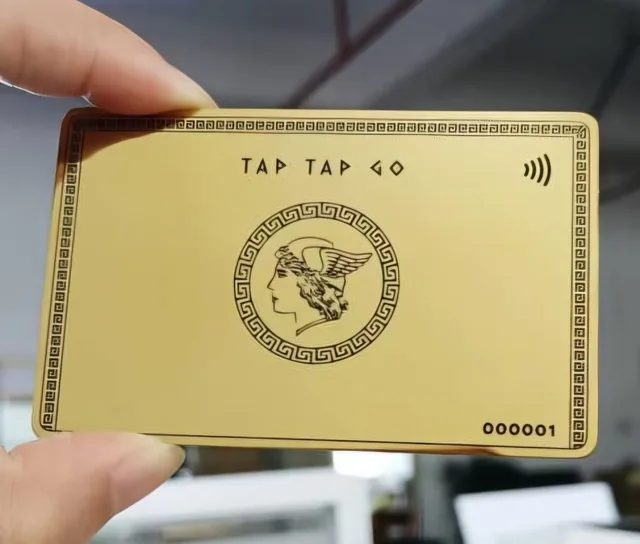
TAP TAP GO

Start with permission and scope
Determine which information can be shared before designing the presentation. Removing a logo may not be enough when a distinctive location, interface or project description identifies the client. Use the agreed publication boundary as the starting point. If public discussion is not permitted, choose another example. A private reference process may be more appropriate than trying to disguise material that should not be published.
Keep the useful reasoning
Explain the class of problem, the constraints and your contribution using approved details. Replace sensitive screenshots with clearly labelled illustrative diagrams when necessary. Do not invent a fictional client and present it as an actual engagement. Separate anonymised real work from hypothetical demonstrations. A prospect can still learn how you think when the account is honest about what has been withheld and why.
Hypothetical example
A hypothetical consultancy receives permission to discuss a workflow redesign without naming the client or showing its systems. It publishes a simplified process diagram labelled as a reconstruction. The case study describes the team’s role and avoids identifying transaction volumes, locations or customer names.
Make it practical.
Use this checklist as you read. Checks are not stored.Published by Tap Tap Go. Product availability and eligibility vary by programme and market. About our stories.