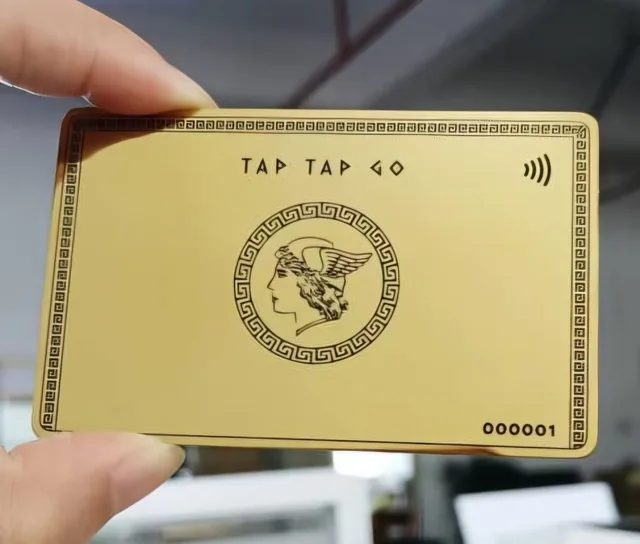
TAP TAP GO

Make the decision
When using a review, preserve the meaning of what the customer said and explain the service it concerns. A positive comment about one workshop should not appear to endorse an unrelated financial feature. Record where the review came from, when it was made and whether you have permission to reproduce it. If a statement is shortened, make sure the omitted words do not change its meaning or hide a qualification important to the reader.
Put it into practice
Separate direct quotations, paraphrased feedback and your own interpretation. Link to the original public review when appropriate, but do not disclose private correspondence just because it is complimentary. Give readers enough context to judge relevance without exposing unnecessary personal details. Establish a process for correcting or removing a testimonial if the customer disputes its use. Avoid inventing review counts, ratings or identities to fill a design; an honest small collection is more useful than fabricated social proof.
Hypothetical example
A consultant receives praise for a training session. The website identifies the type of session and uses an approved excerpt. It does not place that review beside a different service in a way that suggests the customer tested it, and it retains a record of the approved wording.
Make it practical.
Use this checklist as you read. Checks are not stored.References & further reading
Further reading: ICO: Data minimisation ↗Published by Tap Tap Go. Product availability and eligibility vary by programme and market. About our stories.