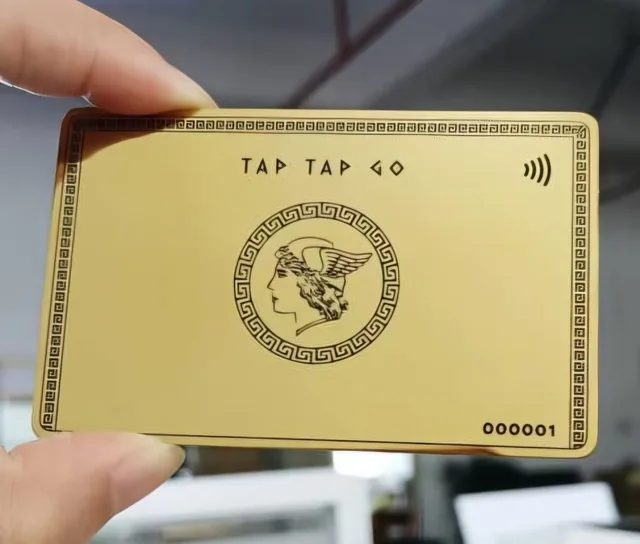
TAP TAP GO

The editorial decision
When an important claim appears in a secondary article, identify the underlying announcement, study, filing or product documentation. Read that material directly and check whether it supports the exact statement you intend to make. A summary may omit scope, eligibility or timing. Multiple websites can repeat one source, so count the underlying evidence rather than treating every repetition as a separate verification.
A working method
Record the original source, publication date and the passage or section supporting the claim. Then look for limitations that affect your audience. If you cannot access the original, say what you have actually reviewed and avoid suggesting a deeper verification than occurred. Keep your own explanation focused on the reader’s decision instead of simply rewriting the source. For changing product information, revisit the primary documentation when the article is updated and note material differences rather than only refreshing the date.
Hypothetical example
A journal finds a claim about a service’s market coverage in several blog posts. The editor checks the provider’s current documentation and discovers that eligibility varies by product. The final article describes the relevant scope and links to the official confirmation route.
Make it practical.
Use this checklist as you read. Checks are not stored.References & further reading
Further reading: Google people-first content guidance ↗Published by Tap Tap Go. Product availability and eligibility vary by programme and market. About our stories.