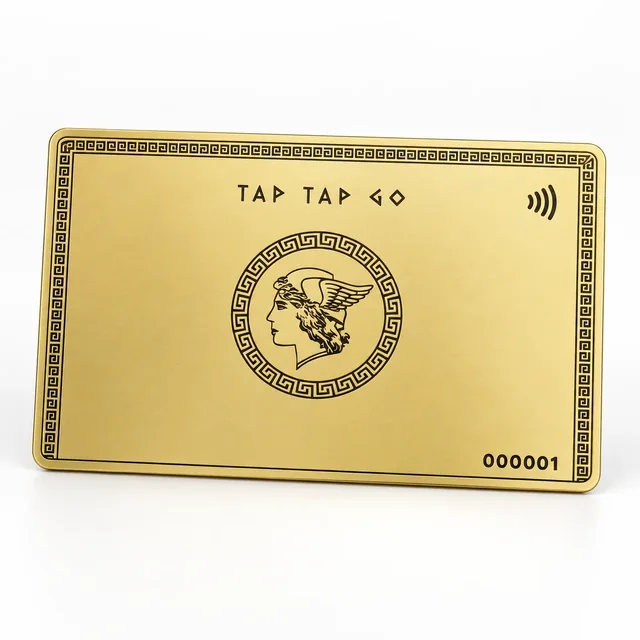
TAP TAP GO

What the reader needs
When a feature name is unfamiliar, explain what the reader can do with it before adding technical terminology. Avoid assuming that a premium audience already understands every abbreviation. Use a short definition, a practical context and any availability limitation that matters. If the term has a specific regulatory or contractual meaning, have the appropriate specialist review the explanation. Plain language should make a precise statement easier to understand, not turn it into an unsupported promise.
How to review it
Highlight every abbreviation in a draft and check its first appearance. Ask a reader outside the project to describe the feature back in their own words. If their explanation differs from what the service actually provides, revise the copy. Keep the glossary connected to relevant articles through meaningful links. Review definitions when product scope changes, particularly when a planned capability becomes available only to certain customers or markets. A clear definition should remain consistent across the magazine and product pages.
Hypothetical example
A product article initially lists several financial abbreviations without context. The editor adds a short explanation of each intended customer action and clearly labels planned availability. A prospective partner can now identify which capability to ask about without mistaking the article for confirmation of universal access.
Make it practical.
Use this checklist as you read. Checks are not stored.References & further reading
Further reading: W3C WAI: Writing for web accessibility ↗Published by Tap Tap Go. Product availability and eligibility vary by programme and market. About our stories.