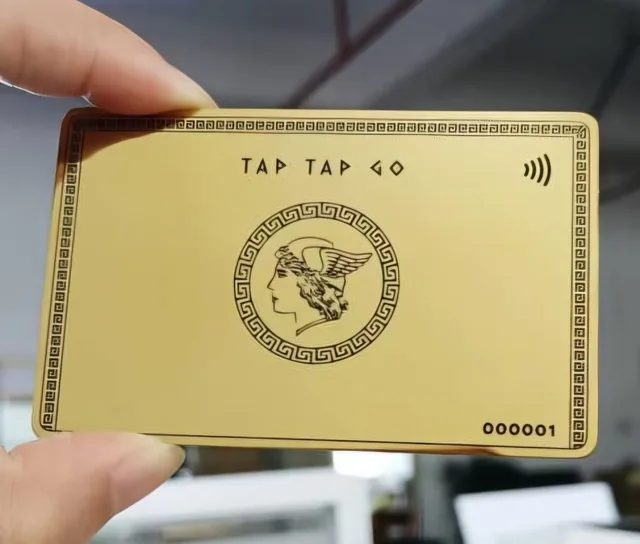
TAP TAP GO

Make the decision
Start with the decision the form must support: who should answer, and what information will help them reply. A name, reply channel and short description may be enough for an initial enquiry. Add company, country or intended service only when those fields affect routing or availability. Separate information needed now from information that might be useful later. A long form can ask people to disclose sensitive details before either side knows whether there is a fit.
Put it into practice
Review each field by asking the person who receives submissions what action it enables. Remove fields with no clear answer. Add guidance telling visitors not to include passwords, payment credentials or identity documents in a free-text enquiry. Provide a visible explanation of how the enquiry will be handled, and choose an appropriate privacy process for your jurisdiction. Test the form with a realistic short request and verify the acknowledgement tells the visitor what happens next.
Hypothetical example
A partnership page initially asks for an identification document and revenue history. The team moves those items out of the first-contact form and asks only for role, market and partnership interest. Any later due-diligence documents use a separate controlled process after the conversation has been qualified.
Make it practical.
Use this checklist as you read. Checks are not stored.References & further reading
Further reading: ICO: Data minimisation ↗Published by Tap Tap Go. Product availability and eligibility vary by programme and market. About our stories.