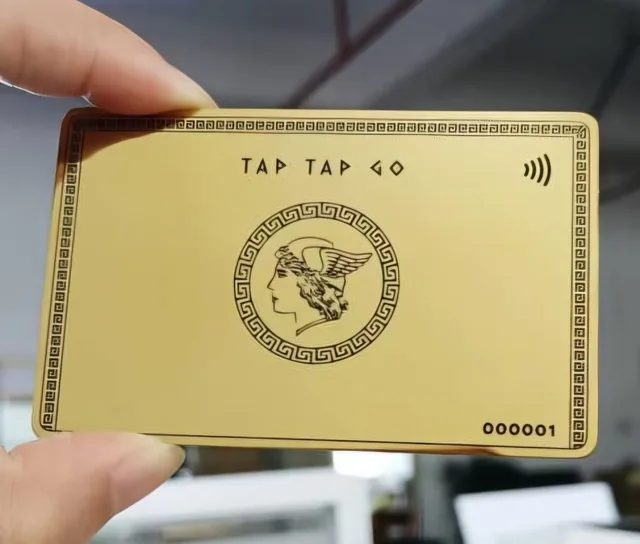
TAP TAP GO

Two layers in the same conversation
A contact may say they are exploring a team rollout, while a salesperson believes they are likely to proceed. In Tap Tap Go’s intended CRM and AI-assistance workflow, those are different kinds of information. Preserve the person’s stated need separately from the team’s interpretation. An assistant can help organise notes, but it should not turn a tentative internal view into a statement attributed to the contact.
Use a simple note structure
Ask for three short parts: stated request, open questions and proposed next action. Add any internal assessment as a clearly labelled judgment with its basis. Review the summary against the original material and remove certainty that the source does not support. Share only the context needed by the next person, and do not include private side comments merely because they appeared in working notes. Before sending a message based on the summary, have the user confirm the recipient and the factual basis.
Hypothetical example
A salesperson writes that a contact is “definitely ready” after hearing they are researching options. The assistant’s summary is reviewed and changed to reflect the actual statement. The follow-up asks about requirements rather than assuming a purchase decision the contact never made.
Make it practical.
Use this checklist as you read. Checks are not stored.References & further reading
Tap Tap Go Journal: product context and editorial approach ↗Published by Tap Tap Go. Product availability and eligibility vary by programme and market. About our stories.