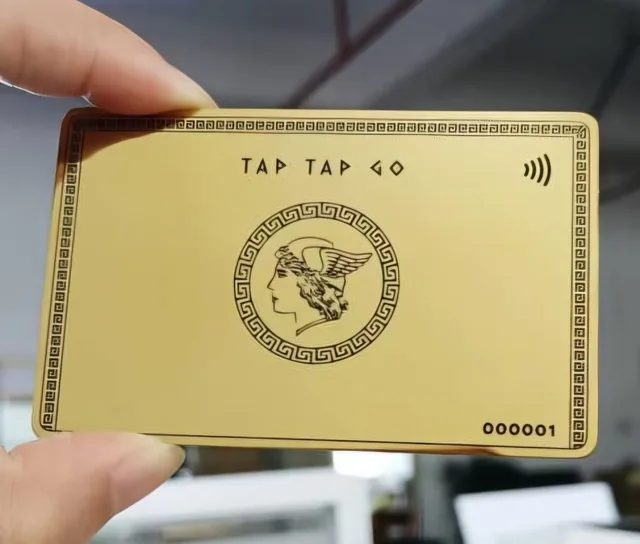
TAP TAP GO

The editorial decision
A case study should explain the starting situation, intervention, measurement period and definition of success. Identify what the team actually did and what other factors may have influenced the result. If the data comes from a client, say so and obtain permission for the way it is presented. Avoid attributing every improvement to one tool when pricing, staffing or campaign activity changed at the same time.
A working method
Prepare a short method note alongside the story. Define the metrics, data source and exclusions, and show absolute counts where percentages alone could mislead. Separate verified observations from the client’s interpretation. If no reliable outcome data exists, write a process case study instead of inventing a performance result. Review screenshots and quotations for permission and privacy. The strongest case study may be a clear explanation of a decision rather than the largest number the design can display.
Hypothetical example
A team describes how it reorganised a lead-handling workflow. It reports the measurement period and explains that staffing also changed, so it does not credit the entire outcome to the profile tool. Readers learn the process and can judge how closely the situation resembles their own.
Make it practical.
Use this checklist as you read. Checks are not stored.References & further reading
Further reading: Google review guidance ↗Published by Tap Tap Go. Product availability and eligibility vary by programme and market. About our stories.