TAP TAP GO
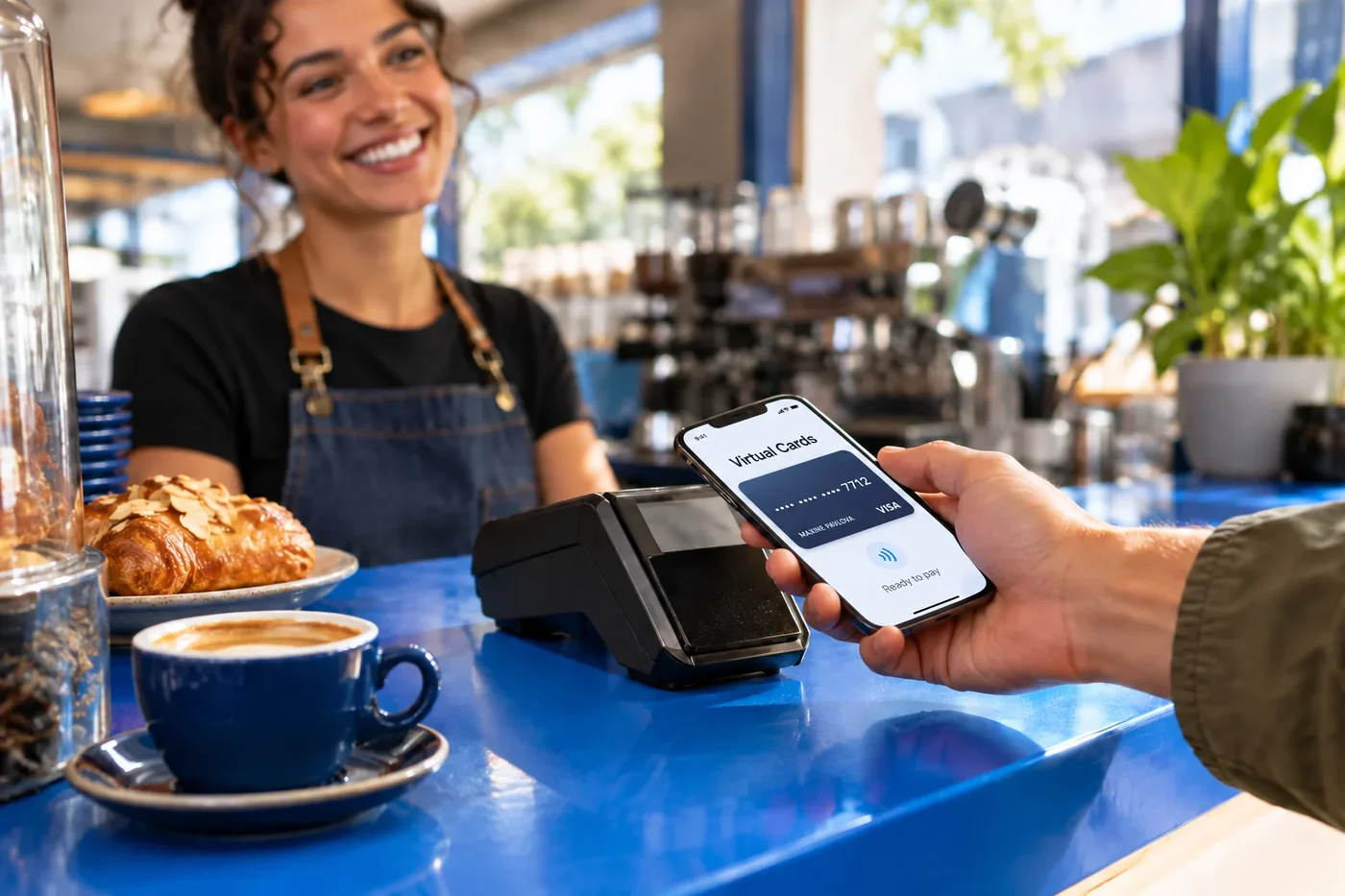
A movement needs a memory
The most visible financial moment is the action itself, but the following day brings practical questions: what was sent, what was received and what still needs clarification? Transaction history is part of Tap Tap Go's product model because a connected financial experience needs more than an action button. It should provide the available record for the applicable service, while the exact fields, statuses and scope depend on the current account and programme.
Read the record for the question it answers
Use the history to identify relevant activity and connect it to the underlying purpose. Ask what a displayed status means rather than assuming it proves final availability or that every feature shares a single ledger. Go Cash activity and USD virtual Visa activity may belong to distinct service records. The useful habit is to find the appropriate confirmed record and preserve the context around it, making the ecosystem easier to use without inventing a universal view of every financial event.
Hypothetical worked scene
In a hypothetical collaboration, two people remember agreeing an expense but need to confirm the financial step the next morning. They consult the relevant available history and supporting project record. The feature helps them ask a precise question, while the underlying agreement explains why the movement occurred and which outcome they expected.
Make it practical.
Use this checklist as you read. Checks are not stored.Published by Tap Tap Go. Product availability and eligibility vary by programme and market. About our stories.