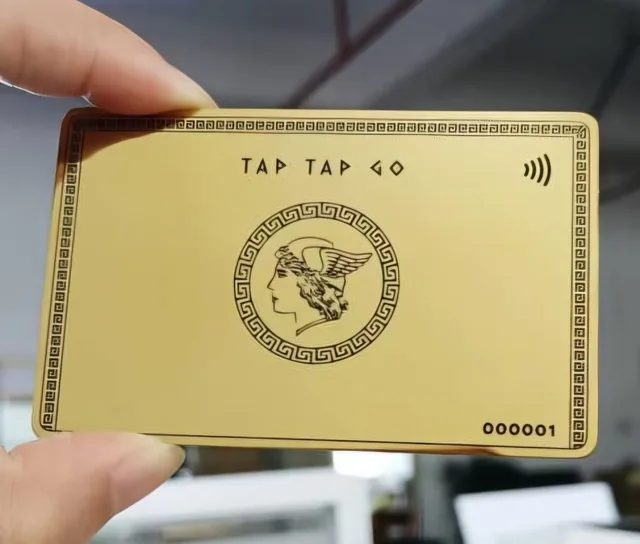
TAP TAP GO

Classify information by purpose
Public material should help a broad audience understand and contact you appropriately. Detailed project documents, internal processes and personal contact routes may need a narrower audience. Consider whether a piece of information would remain suitable if forwarded outside the original conversation. Do not assume that an obscure link is equivalent to access control. Use the actual visibility options available and verify their behaviour.
Review combinations of details
Information that seems harmless individually can become revealing when combined. A profile may not need a personal number, routine location and detailed schedule together. Keep the public journey useful without publishing every available field. Where someone needs a private resource, use an appropriate sharing process and explain its intended purpose. Review visibility when your role or audience changes.
Hypothetical example
A hypothetical consultant publishes work contact details and selected case studies, while detailed client materials are shared through a controlled project process. The public profile still supports introductions, but it does not become an accidental archive of confidential engagements.
Make it practical.
Use this checklist as you read. Checks are not stored.Published by Tap Tap Go. Product availability and eligibility vary by programme and market. About our stories.