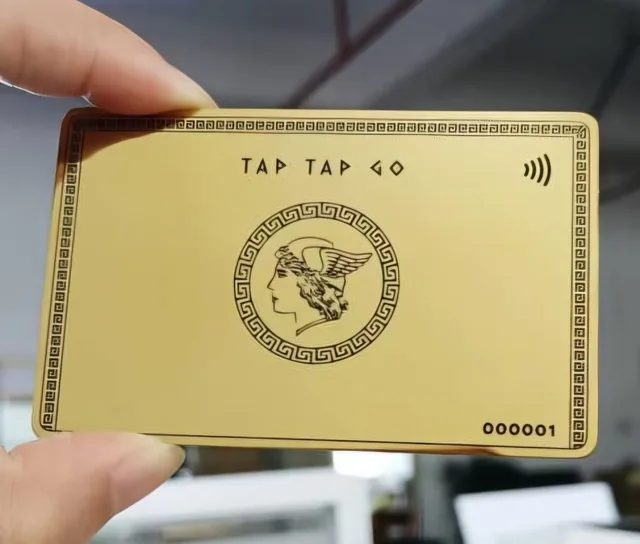
TAP TAP GO

Gather the ordinary evidence first
Compare the date, amount and currency with receipts, subscriptions and purchases made by authorised team members. Ask the provider what merchant information it can show and how customers should report a charge they do not recognise. Use its official contact route. Keep the investigation factual: record what is known and what remains uncertain rather than concluding immediately that the purchase is legitimate or fraudulent.
Make recognition easier next month
Once the provider or merchant clarifies an entry, add an internal note that connects the trading name with the supplier record. Restrict access to those notes appropriately and avoid storing full payment credentials in the ledger. If the entry remains unrecognised, follow the issuer's prescribed reporting process promptly. A small amount of disciplined documentation helps future reviewers without turning unverified guesses into permanent explanations that other staff may later trust.
Hypothetical example
A hypothetical agency sees a charge under a name that differs from its software supplier. The buyer finds a receipt linking the two names and finance records that connection. A second unexplained charge remains open, receiving a separate investigation instead of being assumed to have the same explanation.
Make it practical.
Use this checklist as you read. Checks are not stored.References & further reading
Background reading — CFPB: prepaid card comparison resources (US context) ↗Published by Tap Tap Go. Product availability and eligibility vary by programme and market. About our stories.