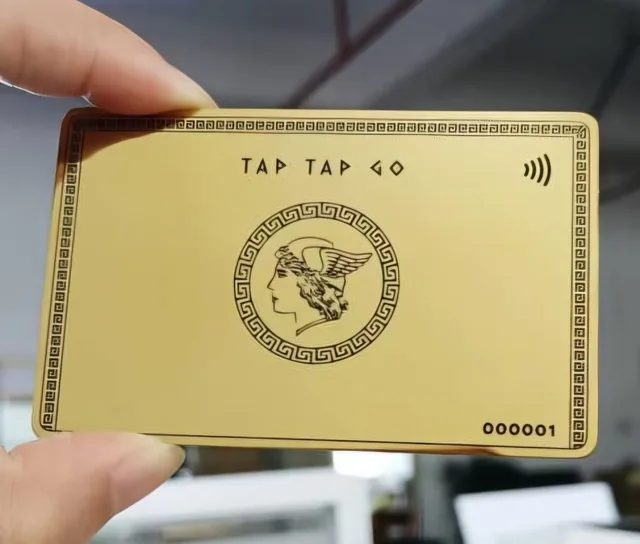
TAP TAP GO

Separate the object from its story
The Tap Tap Go model links the physical introduction to a digital profile containing business information, portfolio material and contact routes. That distinction matters when the company changes its services or campaign emphasis. Confirm how updates to the destination are managed in the current system; do not assume every identifier can be reassigned or every card can be repurposed without conditions. Understand the supported lifecycle before planning a large programme.
Review what the visitor actually sees
When content changes, test the destination from the card and from any QR or shared link used alongside it. Look beyond the main biography to documents, videos and checkout links that may retain an older message. The benefit is continuity of the introduction while the business information stays relevant. Keep changes transparent where they affect an active offer, and avoid replacing the original meaning of a shared resource with something unrelated.
A hypothetical scene
A company launches a new service package after distributing cards at several events. It updates approved profile content and checks the linked brochure rather than assuming the physical programme must restart. Returning visitors find a coherent current explanation, with the earlier offer handled clearly where relevant.
Make it practical.
Use this checklist as you read. Checks are not stored.References & further reading
Tap Tap Go Journal — publisher and product context ↗Published by Tap Tap Go. Product availability and eligibility vary by programme and market. About our stories.